What is the environmental impact of using an outdoor stainless steel ice jug?
Leave a message

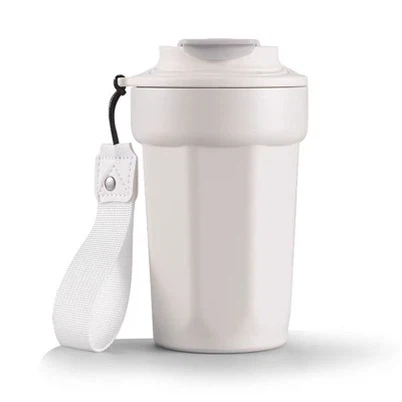
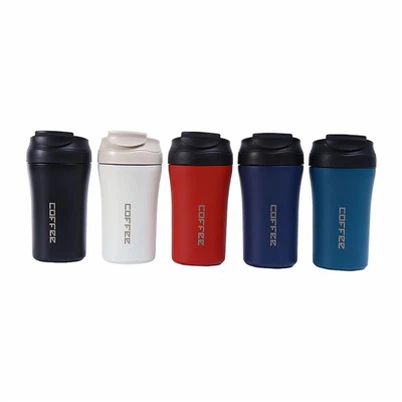
Hey there, outdoor enthusiasts! As a supplier of Outdoor Stainless Steel Ice Jugs, I've been thinking a lot about the environmental impact of these nifty products. In this blog, I'm gonna break down the good, the bad, and the ugly when it comes to using an outdoor stainless steel ice jug.
The Good Stuff
Durability and Longevity
One of the biggest environmental perks of a stainless steel ice jug is its durability. Unlike plastic water bottles that can crack, warp, or break after just a few uses, stainless steel is tough as nails. A high - quality outdoor stainless steel ice jug can last you for years, even decades. This means you won't have to keep buying new water containers every few months.


Think about it. If you're an avid hiker, camper, or just someone who loves spending time outdoors, you probably go through a fair number of water bottles. By switching to a stainless steel ice jug, you're reducing the amount of plastic waste that ends up in landfills or our oceans. According to a study by the Environmental Protection Agency, millions of plastic water bottles are discarded every day, and only a fraction of them get recycled. Using a long - lasting stainless steel jug can make a real difference in cutting down on this waste.
Reusability
Another great thing about stainless steel ice jugs is that they're super reusable. You can fill them up with water, juice, or any other beverage you like, and use them over and over again. This is a far cry from single - use plastic bottles that are designed to be thrown away after one use.
When you're out in the wild, having a reusable ice jug means you can refill it at natural water sources (after proper purification, of course) or at water stations. This not only saves you money in the long run but also reduces the demand for bottled water. And as we all know, the production and transportation of bottled water have a significant environmental footprint.
Insulation Properties
Stainless steel ice jugs are known for their excellent insulation. They can keep your drinks cold for hours, sometimes even days. This means you don't have to rely on ice packs as much, which are often made of single - use plastic and chemicals. By reducing the need for ice packs, you're cutting down on more plastic waste.
Also, the ability to keep drinks cold for a long time means you're less likely to waste water or other beverages. You won't have to throw away warm drinks because your jug can maintain the temperature. This is especially important in outdoor settings where water conservation is crucial.
The Not - So - Good Stuff
Production Process
While stainless steel ice jugs have many environmental benefits, their production process isn't exactly eco - friendly. Stainless steel is made from a combination of iron, chromium, and other metals. Mining these metals can have a significant impact on the environment. It can lead to deforestation, soil erosion, and water pollution.
The energy required to extract, refine, and shape these metals into a jug is also quite high. Factories use a lot of electricity and other energy sources, which often come from non - renewable resources like coal and natural gas. This contributes to greenhouse gas emissions and climate change.
Recycling Challenges
Although stainless steel is recyclable, the recycling process can be complex. Not all recycling facilities are equipped to handle stainless steel products. This means that some stainless steel ice jugs might end up in landfills even when they could be recycled.
Also, if the jug has other components like plastic lids or rubber gaskets, separating these materials for recycling can be a hassle. These non - stainless steel parts might not be recyclable at all, further complicating the recycling process.
Making the Impact More Positive
Choosing the Right Supplier
As a supplier myself, I know how important it is to choose a manufacturer that takes environmental responsibility seriously. Look for suppliers who use sustainable mining practices, source their metals locally to reduce transportation emissions, and use energy - efficient production methods.
At our company, we're constantly working on improving our production processes. We're investing in new technologies that reduce energy consumption and waste. We also make sure to source our materials from suppliers who adhere to strict environmental standards.
Proper Disposal and Recycling
When it comes time to replace your outdoor stainless steel ice jug, make sure to recycle it properly. Look for recycling centers that accept stainless steel products. If possible, try to separate the non - stainless steel components like plastic lids and recycle them separately.
You can also consider donating your old ice jug to someone who can still use it. There are many outdoor clubs, community centers, or individuals who would be happy to get a free ice jug.
Using the Jug Wisely
To maximize the environmental benefits of your outdoor stainless steel ice jug, use it as often as possible. Don't let it sit in a closet when you could be using it on your next outdoor adventure. Also, make sure to clean it regularly to keep it in good condition and extend its lifespan.
Conclusion
So, there you have it! The environmental impact of using an outdoor stainless steel ice jug is a mixed bag. On one hand, it has many benefits like durability, reusability, and good insulation properties that can help reduce plastic waste and conserve resources. On the other hand, its production process and recycling challenges pose some environmental concerns.
But overall, I believe that the benefits outweigh the drawbacks. By choosing the right supplier, recycling properly, and using the jug wisely, you can make a positive impact on the environment.
If you're interested in purchasing an outdoor stainless steel ice jug, or if you have any questions about our products, feel free to reach out. We're always happy to chat and help you make the best choice for your outdoor needs.
References
- Environmental Protection Agency. (Year). "Plastic Waste in the United States."
- Studies on Metal Mining and Its Environmental Impact. Various research papers from environmental science journals.