

Your Professional Vacuum Flask Supplier
ZHEJIANG NAWAS INDUSTRY AND TRADE CO.,LTD, as a leading enterprise in the radiator industry, officially entered the thermos cup market by virtue of its excellent manufacturing strength and deep technical accumulation. Relying on years of experience in radiator research and development, we combine advanced temperature control technology with exquisite craftsmanship, and are committed to creating high-quality and high-performance thermos cup products.


Why choose us
Our Factory
The newly established Thermos Cup Division brings together experienced R&D team and professional production team, and integrates the company's mature supply chain system and strict quality control process.
Quality & Performance
We combine advanced temperature control technology with exquisite craftsmanship to create high-quality, high-performance thermos products with excellent thermal insulation performance, diverse designs, and safe and environmentally friendly materials.
Our Services
Provide multilingual customer service support to ensure smooth communication with customers,And have professional technical support and after-sales service,,24-hour online service, timely and fast quotation for you.

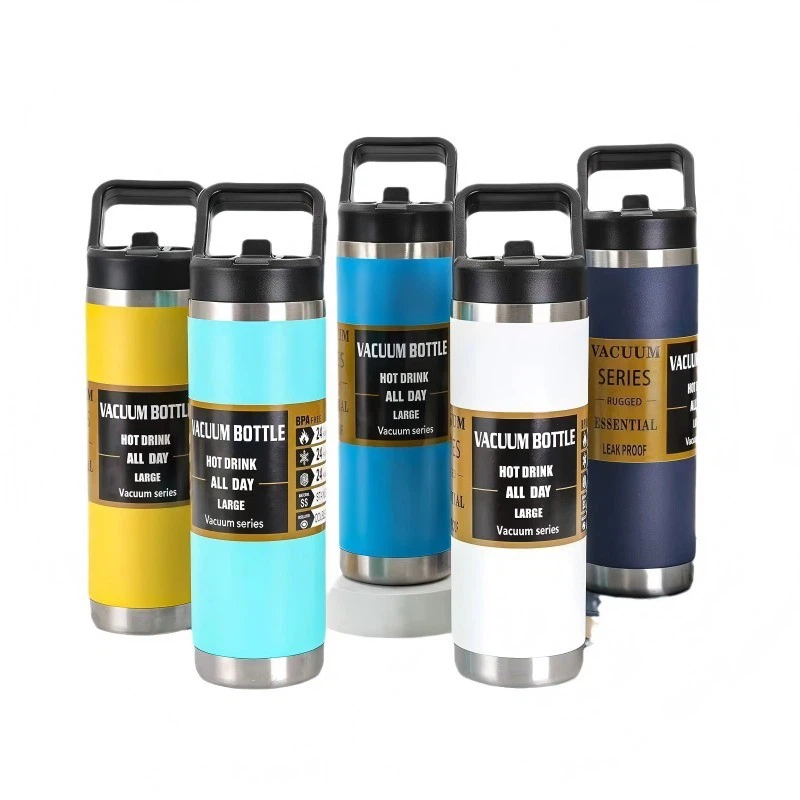
A vacuum flask is an insulated container that keeps its contents (usually liquid) hot or cold for long periods of time. These containers are used domestically to keep drinks or food hot or cold, and they are also used in laboratories and for cooking purposes. Vacuum flasks can be made from a variety of materials, including glass and stainless steel. The best vacuum flasks have a silvered inner liner to prevent heat transfer by radiation and a tight stopper that stops air from entering the insulated container.
|
Item name |
VACUUM FLASK |
|
Capacity |
350ml,500ml,750ml |
|
Material |
Stainless Steel |
|
Logo |
Customized |
|
Colour |
Customized |
|
Sample time |
5 days |
|
Delivery time |
30 days |
|
Shipment |
OCEAN, AIR, or by EXPRESS |
|
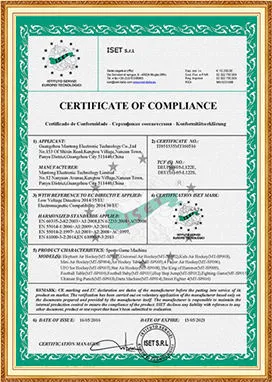
Certificate |
FDA, LFGB, SGS |
Advantages of Vacuum Flask
Temperature retention: The primary advantage of a vacuum bottle is its ability to maintain the temperature of the contents for an extended period. It keeps hot liquids hot and cold liquids cold much longer compared to regular containers. This is particularly useful when you want to enjoy a hot beverage on a cold day or keep a refreshing drink chilled during hot weather.
Versatility: Vacuum bottles are versatile and can be used for a wide range of beverages, including coffee, tea, soup, water, juice, and more. They are suitable for both hot and cold liquids, allowing you to enjoy your preferred temperature preference wherever you go.
Portability: Vacuum bottles are designed to be highly portable. They are typically lightweight and come in various sizes and shapes, making them easy to carry in backpacks, purses, or even in your hand. They are convenient for commuting, traveling, hiking, camping, or any activity where you want to have your drink readily available.
Cost-effective: Investing in a vacuum bottle can be cost-effective in the long run. By carrying your own hot or cold beverage, you can avoid buying expensive drinks from cafes or vending machines. This not only saves you money but also reduces waste from disposable cups and bottles.
Durability: Vacuum bottles are constructed with durable materials like stainless steel or strong plastics, making them resistant to damage from impacts, falls, or other accidents. They are built to withstand outdoor conditions and can last for years with proper care.
Environmental impact: By using a vacuum bottle, you contribute to reducing single-use plastic waste. Instead of relying on disposable cups or bottles, which often end up in landfills or oceans, you can repeatedly use your vacuum bottle, promoting sustainability and eco-friendliness.
Portable thermoses
Lightweight and easy to carry, they often have handles or straps, making them suitable for outdoor activities, travel, or everyday use.
Sports thermoses
Compact and durable, they are suitable for use during activities such as running, cycling, or fitness. They typically range from 500ml to 1 liter. They may have a non-slip surface, a straw lid, or a quick-open mechanism.
Children's thermoses
Cute and colorful designs appeal to children and are often leak-proof and drop-resistant. They typically range from 300ml to 600ml.
Wide-mouth thermoses
A wide mouth makes it easy to add ice and clean. They come in a variety of sizes, but wide-mouth designs are more suitable for frequent refills.
Slim thermoses
Slim designs fit easily in car cup holders or backpack side pockets. They typically range from 300ml to 750ml. They may have a non-slip surface or a leak-proof lid.
Applications of Vacuum Flask
Beverage Storage
In homes, vacuum flasks are often used to store hot water, tea, coffee, and other hot drinks, making them readily available for family members, especially in winter.
Cooking Aid
During cooking, vacuum flasks can be used to keep soups, stews, and other foods warm, maintaining their temperature and flavor, making them easier to share.
Outdoor Leisure
Vacuum flasks are essential for outdoor activities such as picnics, camping, and fishing. They can maintain the temperature of hot water for extended periods, making it convenient for preparing instant noodles, hot drinks, and other foods to meet outdoor dietary needs.
Sports and Fitness
Athletes need to replenish their fluids and energy levels during long training sessions. Vacuum flasks can maintain the temperature of hot water, making it convenient for preparing sports drinks or calorie-boosting beverages like hot chocolate.
Healthcare
In hospitals, patients require constant access to warm water to take medication or maintain hydration. Vacuum flasks can provide patients with a long-term supply of warm water, reducing the need for nurses and family members to frequently fetch water.
Catering service field
Some high-end restaurants and hotels use vacuum flasks to provide guests with hot tea or coffee, ensuring that the drinks remain at the appropriate temperature when they are served to the guests' tables, thereby enhancing the guests' dining experience.
Material of Vacuum Flask
Inner Container
The inner container, which holds the liquid, is usually made of glass or stainless steel. Glass is known for its non-reactive nature and resistance to flavor absorption, making it suitable for various types of beverages. Stainless steel is also a popular choice as it is durable, lightweight, and provides good insulation properties.
Vacuum Insulation
The vacuum layer, which separates the inner container from the outer shell, is typically created by removing the air between two walls. The space between the inner and outer layers is evacuated to create a vacuum, reducing heat transfer by conduction and convection. This layer is crucial for the insulation properties of the vacuum bottle.


Outer Shell
The outer shell of the vacuum bottle is usually made of plastic or metal. Common materials used for the outer shell include stainless steel, aluminum, and various types of plastics like polypropylene or Tritan. Stainless steel and aluminum are preferred for their durability, while plastics provide lighter weight options.
Lid and Seals
The lid of a vacuum bottle is often made of plastic, which may include additional components like a handle, spout, or drinking mechanism. The lid is designed to provide a secure and leak-proof seal to maintain the vacuum and prevent spills. The seals used in the lid and other parts of the bottle are typically made of silicone or other food-grade rubber materials, ensuring a tight seal.
Preparation method of Vacuum Flask
Joining
Mate at the mouth to keep an annular gap.
01
Evacuation
Pump down through a small tube; some designs include a getter to capture residual gases.
02
Radiation control
Silvering (glass) or highly polished steel to reduce emissivity.
03
Sealing
Close the evacuation tube (pinch/weld for steel); hermetic assemblies may use lead-free, low-temperature sealing glass (see Section 5).
04
Finishing & QA
Surface finishing, lid/gasket assembly, then thermal retention and leak tests.
05
Conduction & Convection: The evacuated gap removes air pathways and stops bulk air motion.
Radiation: Low-emissivity (reflective) surfaces reflect infrared energy back toward the liquid.
Neck/Lid: Gaskets and an insulated stopper reduce the last deliberate “bridge” from inside to outside.
Failure Modes & Quality Checks
Vacuum loss: Dents or micro-cracks near the tip-off admit air → big performance drop.
Seal aging: Gasket hardening increases neck heat leak.
Coating damage: Scratches raise emissivity, increasing radiation.
Simple home test: Fill with ~90–95 ℃ water; measure temperature drop at 6 h and 24 h vs. your spec. Exterior should stay cool away from the neck.
Choosing the Right Thermos Vacuum Flask
Capacity
Consider how much beverage you typically consume. Flasks range from small, purse-sized bottles to larger, family-sized options.
Material
Stainless steel is a popular choice for its durability and ease of cleaning. It’s resistant to wear and tear and doesn’t retain flavors from previous drinks.
Insulation Duration
Different models offer varying insulation capabilities. Assess how long you need your beverage to stay at its desired temperature.
Design and Extras
From integrated cups to easy-pour spouts, choose a design that suits your lifestyle and aesthetic preferences.
Regularly clean your flask to prevent odors. Use warm, soapy water and a bottle brush for the best results.
Avoid using bleach or harsh chemicals that may damage the interior.
If your flask develops a stubborn smell, fill it with boiling water and a tablespoon of baking soda. Let it sit overnight to neutralize odors.
Treat your flask with love—while durable, it’s best to avoid unnecessary drops or impacts.
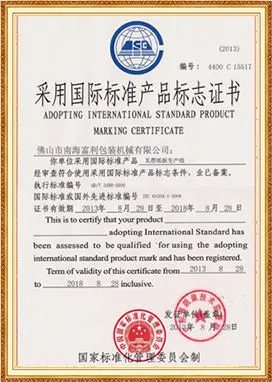
Certificate



FAQ
We're professional vacuum flask manufacturers and suppliers in China, specialized in providing high quality customized products. We warmly welcome you to wholesale high-grade vacuum flask made in China here from our factory.
Portable Vacuum Flask With Handle, vacuum flask