What are the disadvantages of using a tumbler?
Leave a message

As a tumbler supplier, I've spent a great deal of time promoting the benefits of using tumblers. They're eco - friendly, reusable, and can keep your drinks at the desired temperature for extended periods. However, it's only fair to also shed light on the potential disadvantages of using a tumbler. Understanding these drawbacks can help consumers make more informed decisions when choosing the right tumbler for their needs, and it also allows us as suppliers to address these issues in our product development.
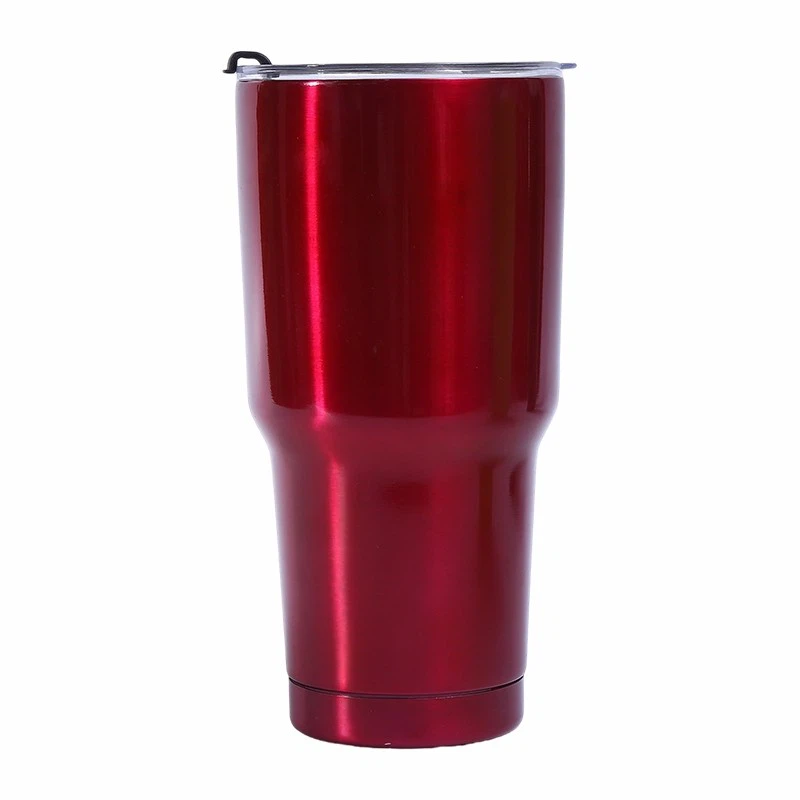
1. Limited Capacity for Large - Volume Drinkers
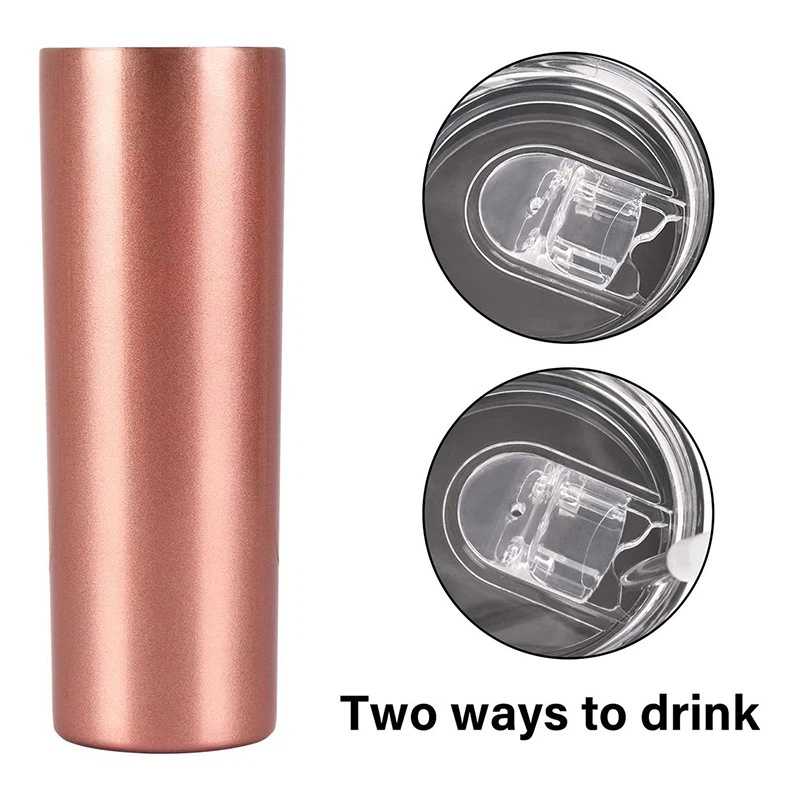
One of the primary disadvantages of using a tumbler is its capacity limitations. While there are various sizes available in the market, including our 20 Oz Stainless Steel Skinny Straight Tumbler and 24 Oz Stainless Steel Tumbler, they may not be sufficient for individuals who need to consume large volumes of liquid throughout the day. For example, athletes, construction workers, or people in physically demanding jobs often require a continuous supply of water to stay hydrated. A standard tumbler might need to be refilled multiple times, which can be inconvenient, especially when they are on the go or in areas where water sources are scarce.
2. Cleaning Challenges
Tumblers, especially those with complex designs or multiple compartments, can be difficult to clean thoroughly. Our Stainless Steel Double Drinking Tumbler with Straw has a straw and a double - walled design, which adds to its functionality but also makes it more challenging to clean. The straw, in particular, can accumulate bacteria, mold, and residue from the drinks. If not cleaned properly, these contaminants can pose health risks. Even the interior of the tumbler, especially around the seams and corners, can trap dirt and debris. Regular cleaning with a bottle brush and appropriate cleaning agents is necessary, but it can be time - consuming and may not always reach all the hard - to - reach areas.
3. Cost
Compared to single - use disposable cups, tumblers are generally more expensive. The initial investment in a high - quality tumbler can be a deterrent for some consumers. While it's true that tumblers are a long - term investment as they can be reused multiple times, the upfront cost can be a significant factor, especially for budget - conscious individuals. Additionally, if a tumbler is lost, stolen, or damaged, replacing it can also be costly.
4. Weight and Portability
Some tumblers, especially those made of stainless steel or with thick insulation, can be relatively heavy. This can be a drawback for people who need to carry their drinks with them for long periods, such as hikers or commuters. A heavy tumbler can add unnecessary weight to a backpack or bag, making it more cumbersome to carry. Even though portability is one of the selling points of tumblers, the weight factor can sometimes offset this advantage.
5. Compatibility with Beverages
Not all tumblers are suitable for every type of beverage. For instance, some tumblers may not be designed to handle hot beverages with high acidity, such as citrus - based drinks or coffee with a lot of cream and sugar. Over time, these acidic beverages can cause discoloration or damage to the interior of the tumbler. Similarly, carbonated drinks can create pressure inside a sealed tumbler, which may lead to leaks or spills when the tumbler is opened.
6. Design Limitations
The design of tumblers can also be a disadvantage in certain situations. Some tumblers have a wide mouth, which can make them prone to spills, especially when they are being carried in a bag or used while in motion. On the other hand, tumblers with a narrow mouth may be difficult to fill, especially if you're using a large pitcher or a water fountain. Additionally, the shape of the tumbler may not fit well in some cup holders, such as those in cars or bicycles.
7. Aesthetic and Personal Preference
While there is a wide variety of tumbler designs available, not all designs may appeal to every consumer. Some people may prefer the look and feel of a disposable cup or a more traditional glass. The limited color options, patterns, or overall aesthetic of a tumbler may not match their personal style or the decor of their environment.
Addressing the Disadvantages
As a tumbler supplier, we are aware of these disadvantages and are constantly working to address them. We are investing in research and development to create tumblers with larger capacities, easier - to - clean designs, and lighter materials. We also offer a range of price points to make our products more accessible to different consumers.
In terms of cleaning, we provide detailed cleaning instructions and recommend using specific cleaning products to ensure the longevity and hygiene of our tumblers. We are also exploring new materials and coatings that can resist the effects of acidic beverages and prevent discoloration.
To improve portability, we are designing tumblers with ergonomic shapes and lighter weights. For example, we are using advanced insulation materials that can provide the same level of temperature retention with less weight.
Conclusion
While there are several disadvantages to using a tumbler, it's important to note that these drawbacks can be mitigated with proper product selection and care. Tumblers still offer numerous benefits, such as environmental sustainability, cost - savings in the long run, and the ability to keep drinks at the desired temperature.
If you're interested in learning more about our tumblers or have any questions regarding the potential disadvantages and how we've addressed them, we encourage you to reach out to us. We're always happy to engage in discussions about our products and help you find the perfect tumbler for your needs. Whether you're an individual looking for a personal tumbler or a business interested in bulk purchasing, we're here to assist you in your procurement process.
References
- "The Impact of Reusable Drinkware on Hydration and Health" - Journal of Environmental Health
- "Cleaning and Maintenance of Reusable Beverage Containers" - International Journal of Hygiene and Environmental Health
- "Consumer Preferences and Challenges in Using Reusable Tumblers" - Journal of Consumer Research