Is the Cola Sport Water Bottle made in an environmentally - friendly way?
Leave a message

In the contemporary era, environmental concerns have taken center stage, prompting consumers to scrutinize the eco - friendliness of products they purchase. As a supplier of Cola Sport Water Bottles, I am frequently asked whether our bottles are made in an environmentally - friendly way. In this blog, I will delve into the manufacturing process of our Cola Sport Water Bottles and shed light on the steps we take to ensure they are as green as possible.
Material Selection
The first and most crucial step in creating an environmentally - friendly water bottle is the choice of materials. Our Cola Sport Water Bottles are primarily made of high - quality stainless steel. Stainless steel is an excellent material from an environmental perspective for several reasons.


Firstly, it is highly durable. Unlike plastic bottles that may crack, break, or degrade over time, stainless steel bottles can withstand rough handling and last for years. This means that consumers do not need to replace their water bottles frequently, reducing the overall waste generated. For instance, a single stainless steel water bottle can replace hundreds of disposable plastic bottles over its lifetime.
Secondly, stainless steel is 100% recyclable. At the end of its useful life, a stainless steel water bottle can be melted down and used to create new products. Recycling stainless steel requires significantly less energy compared to producing new steel from raw materials. This helps in conserving natural resources and reducing greenhouse gas emissions associated with steel production.
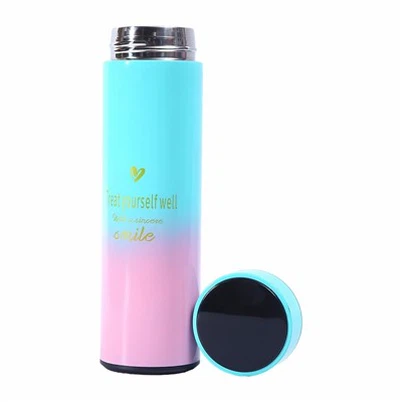
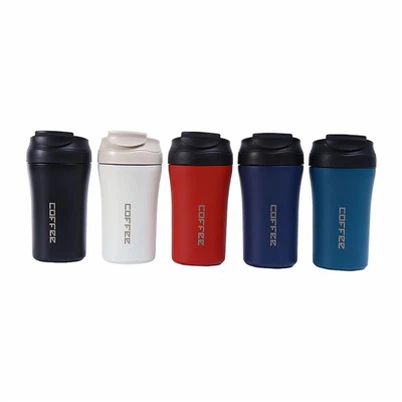
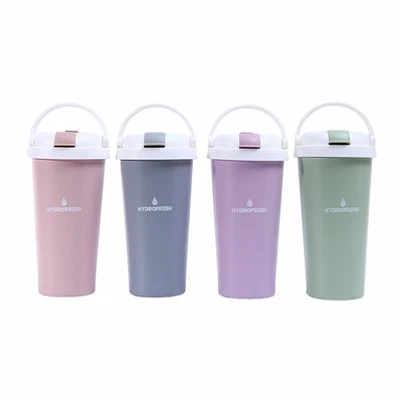
We offer a variety of stainless steel water bottles, such as the Stainless Steel Sport Water Bottle with Handle and the Stainless Steel Drink Bottle with Handle. These bottles are not only practical but also contribute to a more sustainable future.
Manufacturing Process
Our manufacturing process is designed to minimize environmental impact. We have implemented advanced production techniques that reduce energy consumption and waste generation.
One of the key aspects of our manufacturing process is precision engineering. By using state - of - the - art machinery, we can cut and shape the stainless steel with minimal material waste. The machinery is programmed to optimize the use of raw materials, ensuring that every piece of steel is utilized efficiently.
In addition, we have invested in energy - efficient equipment. Our factories are equipped with modern furnaces and manufacturing tools that consume less energy compared to traditional equipment. This not only reduces our carbon footprint but also helps in lowering production costs, which we can pass on to our customers.
We also pay close attention to the finishing process of our water bottles. Our bottles are coated with non - toxic and food - grade materials. These coatings are free from harmful chemicals such as BPA (bisphenol A), which is known to have negative health and environmental impacts. The use of safe and eco - friendly coatings ensures that our water bottles are not only safe for consumers but also do not release harmful substances into the environment.
Packaging
Packaging is another area where we focus on environmental sustainability. Our Cola Sport Water Bottles are packaged in minimal and recyclable materials. We use cardboard boxes that are made from recycled paper and can be easily recycled again after use.
The inner packaging materials, such as the foam inserts used to protect the bottles during transit, are also made from eco - friendly materials. These inserts are often made from biodegradable or recyclable foams that break down naturally over time, reducing the amount of waste that ends up in landfills.
By choosing minimal and recyclable packaging, we aim to reduce the overall environmental impact of our products from the moment they leave our factory to the time they reach the hands of consumers.
Product Lifecycle Assessment
To further ensure the environmental friendliness of our Cola Sport Water Bottles, we conduct regular product lifecycle assessments (PLA). A PLA evaluates the environmental impact of a product from its raw material extraction, through its manufacturing, use, and disposal phases.
During the raw material extraction phase, we work with suppliers who adhere to strict environmental standards. We ensure that the stainless steel we source is mined and processed in an environmentally responsible manner.
In the use phase, our water bottles are designed to be reusable. They are easy to clean and maintain, which encourages consumers to use them repeatedly. This reduces the demand for single - use plastic bottles, which are a major source of environmental pollution.
At the end - of - life phase, as mentioned earlier, our stainless steel bottles are fully recyclable. We also provide information to consumers on how to recycle our products properly, promoting a circular economy.
Comparison with Other Water Bottles
When compared to other types of water bottles on the market, such as plastic and glass bottles, our Cola Sport Water Bottles have several environmental advantages.
Plastic bottles are a major environmental concern. They are often made from non - renewable resources, such as petroleum, and take hundreds of years to decompose in landfills. Plastic bottles also release microplastics into the environment, which can have harmful effects on wildlife and human health. In contrast, our stainless steel water bottles are made from a renewable resource and do not contribute to microplastic pollution.
Glass bottles, while recyclable, are heavier and more fragile than stainless steel bottles. This means that they require more energy to transport, and there is a higher risk of breakage during transit, which can lead to additional waste. Our stainless steel bottles are lightweight and durable, making them a more environmentally - friendly option for both consumers and the planet.
We also offer a Narrow - Mouth Sports Bottle, which is designed for sports enthusiasts. Its narrow - mouth design reduces the risk of spills and is more convenient for on - the - go use. This type of bottle is also made with the same environmentally - friendly principles as our other products.
Encouraging Sustainable Consumption
As a supplier, we not only focus on producing environmentally - friendly products but also aim to encourage sustainable consumption habits among our customers. We provide educational materials on our website and packaging about the environmental benefits of using reusable water bottles.
We also support environmental initiatives and partnerships. For example, we donate a portion of our profits to environmental organizations that work on projects related to waste reduction and conservation. By doing so, we hope to make a positive impact on the environment beyond just the products we sell.
Conclusion
In conclusion, our Cola Sport Water Bottles are made in an environmentally - friendly way. From the choice of high - quality and recyclable stainless steel materials, to the energy - efficient manufacturing process, minimal and recyclable packaging, and our commitment to product lifecycle assessment, we take every step possible to reduce the environmental impact of our products.
If you are interested in purchasing our eco - friendly Cola Sport Water Bottles for your business or personal use, we invite you to contact us for procurement and negotiation. We are always ready to provide you with more information about our products and discuss how we can meet your specific needs.
References
- "The Environmental Impact of Stainless Steel Production." International Stainless Steel Forum.
- "Sustainable Packaging Solutions for Consumer Goods." Journal of Environmental Science and Technology.
- "Product Lifecycle Assessment: A Guide for Manufacturers." United Nations Environment Programme.