How to use Flask or Bottle with natural language processing?
Leave a message

Yo, what's up, tech enthusiasts and coffee lovers alike! I'm stoked to have you here as we dive into the awesome world of using Flask or Bottle with natural language processing (NLP). And hey, I'm not just some random blogger; I'm part of a crew that supplies top - notch Flask and Bottle products. Yeah, you heard it right! We're talking about those sleek and functional containers that keep your drinks hot or cold, but we're also going to touch on the programming frameworks with the same names.
Let's start with a bit of background. Flask and Bottle are lightweight web frameworks in Python. They're super cool because they're easy to set up and get running, making them perfect for beginners and even pros who want to quickly prototype an application. On the other hand, natural language processing is all about teaching computers to understand, interpret, and generate human language. It's like giving your computer a brain to communicate with us in a more human - like way.


So, why would you want to use Flask or Bottle with NLP? Well, imagine you're building a chatbot. You want it to understand what users are saying, process that information, and give a relevant response. Flask or Bottle can be the backbone of your chatbot's web interface, allowing users to interact with it through a web browser.
First off, let's talk about Flask. Flask is a micro - framework, which means it doesn't come with a ton of built - in features, but it's incredibly flexible. To use Flask with NLP, you'll need to install a few libraries. The most popular one for NLP in Python is NLTK (Natural Language Toolkit). You can install it using pip:
pip install flask nltk
Once you've got the libraries installed, here's a simple example of how you can create a Flask application that uses NLP to analyze the sentiment of a sentence.
from flask import Flask, request, jsonify
import nltk
from nltk.sentiment import SentimentIntensityAnalyzer

app = Flask(__name__)
nltk.download('vader_lexicon')
sia = SentimentIntensityAnalyzer()


@app.route('/analyze_sentiment', methods=['POST'])
def analyze_sentiment():
    data = request.get_json()
    text = data.get('text')
    sentiment = sia.polarity_scores(text)
    return jsonify(sentiment)


if __name__ == '__main__':
    app.run(debug=True)
In this code, we're creating a Flask application with a single route /analyze_sentiment. When a POST request is sent to this route with a JSON object containing a text field, the application uses NLTK's SentimentIntensityAnalyzer to analyze the sentiment of the text and returns the sentiment scores as a JSON response.
Now, let's move on to Bottle. Bottle is another lightweight web framework that's even more minimalistic than Flask. It's a single file, so you can just import it into your Python script without having to install a bunch of packages.
To use Bottle with NLP, you can follow a similar approach. Here's an example:
from bottle import Bottle, request, response, json_dumps
import nltk
from nltk.sentiment import SentimentIntensityAnalyzer

app = Bottle()
nltk.download('vader_lexicon')
sia = SentimentIntensityAnalyzer()


@app.post('/analyze_sentiment')
def analyze_sentiment():
    data = request.json
    text = data.get('text')
    sentiment = sia.polarity_scores(text)
    response.content_type = 'application/json'
    return json_dumps(sentiment)


if __name__ == '__main__':
    app.run(debug=True)
Just like the Flask example, this Bottle application has a route /analyze_sentiment that analyzes the sentiment of the text sent in a POST request.
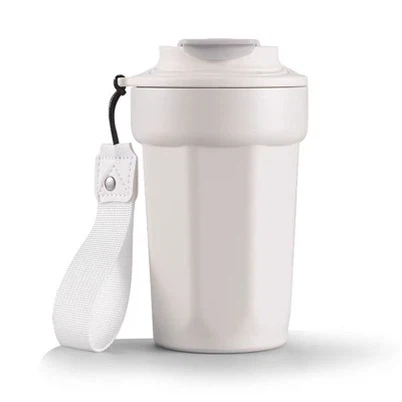
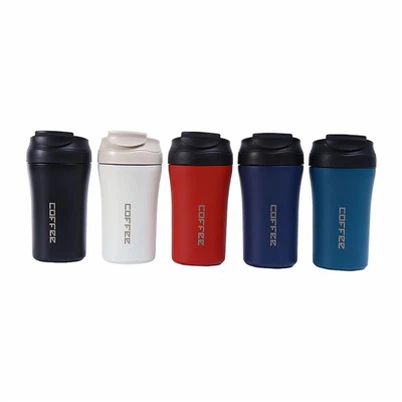
Now, let's switch gears a bit and talk about our actual Flask and Bottle products. If you're a coffee lover, you know how important it is to have a good quality flask or bottle to keep your coffee hot throughout the day. That's where our Stainless Steel Insulated Coffee Pot comes in. It's made of high - quality stainless steel, which means it's durable and won't rust. The insulation is top - notch, so your coffee will stay hot for hours.
Back to the programming side, there are many other things you can do with Flask or Bottle and NLP. For example, you can build a language translation service. You can use libraries like transformers in Python, which has pre - trained models for translation.
from flask import Flask, request, jsonify
from transformers import AutoTokenizer, AutoModelForSeq2SeqLM

app = Flask(__name__)
tokenizer = AutoTokenizer.from_pretrained("Helsinki - NLP/opus - mt - en - fr")
model = AutoModelForSeq2SeqLM.from_pretrained("Helsinki - NLP/opus - mt - en - fr")


@app.route('/translate', methods=['POST'])
def translate():
    data = request.get_json()
    text = data.get('text')
    input_ids = tokenizer(text, return_tensors="pt").input_ids
    output = model.generate(input_ids)
    translation = tokenizer.decode(output[0], skip_special_tokens=True)
    return jsonify({'translation': translation})


if __name__ == '__main__':
    app.run(debug=True)
This Flask application uses a pre - trained model from the transformers library to translate English text to French.
In conclusion, whether you're into programming and want to build cool NLP - powered web applications using Flask or Bottle, or you're just looking for a great flask or bottle to keep your drinks at the perfect temperature, we've got you covered. If you're interested in our Flask and Bottle products or have any questions about using the programming frameworks with NLP, don't hesitate to reach out for a procurement discussion. We're always happy to talk and help you find the right solutions for your needs.
References:
- NLTK Documentation
- Flask Documentation
- Bottle Documentation
- Hugging Face Transformers Documentation