How to transport a thermos flask without it getting damaged?
Leave a message

Transporting a thermos flask without damage is crucial for both consumers and suppliers like me. As a thermos flask supplier, I've encountered various challenges and learned effective strategies to ensure these valuable items reach their destinations intact. In this blog, I'll share some practical tips and insights on how to transport thermos flasks safely.
Understanding the Structure of Thermos Flasks
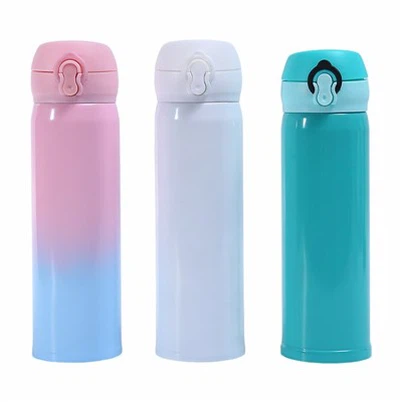
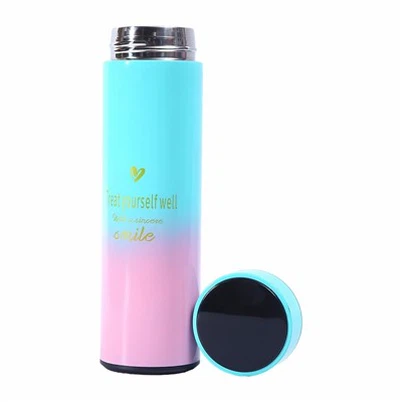
Before delving into transportation methods, it's essential to understand the structure of thermos flasks. Most thermos flasks consist of an inner and outer container separated by a vacuum layer. This vacuum layer helps to insulate the contents, keeping them hot or cold for extended periods. The inner container is usually made of glass or stainless steel, while the outer container can be made of plastic, stainless steel, or other materials. The lid is another critical component, which seals the flask and prevents leakage.
The delicate nature of the inner container and the vacuum layer means that thermos flasks are susceptible to damage from impact, pressure, and temperature changes. Therefore, proper handling and packaging are essential during transportation.
Choosing the Right Packaging
One of the most important steps in transporting thermos flasks is choosing the right packaging. The packaging should provide adequate protection against impact, vibration, and temperature changes. Here are some packaging options to consider:
- Original Packaging: If the thermos flask comes with its original packaging, it's usually the best option for transportation. The original packaging is designed to fit the flask snugly and provide cushioning to protect it from damage. Make sure to use all the included padding and inserts to ensure maximum protection.
- Custom Packaging: For bulk shipments, custom packaging can be a cost - effective and efficient solution. Custom packaging can be designed to fit the specific dimensions of the thermos flasks and provide additional protection. Foam inserts, bubble wrap, and corrugated cardboard can be used to create a protective layer around the flasks.
- Shipping Boxes: When using shipping boxes, choose a box that is slightly larger than the thermos flask. Fill the empty space in the box with packing materials such as packing peanuts, shredded paper, or air pillows. This will help to absorb shock and prevent the flask from moving around during transit.
Securing the Thermos Flask
Once you've chosen the right packaging, it's important to secure the thermos flask properly inside the packaging. Here are some tips on how to do this:
- Use Padding: Place a layer of padding at the bottom of the packaging to provide a cushion for the flask. You can use foam, bubble wrap, or other soft materials.
- Wrap the Flask: Wrap the thermos flask in bubble wrap or a soft cloth to protect it from scratches and impact. Make sure to cover the entire flask, including the lid.
- Secure the Lid: Ensure that the lid of the thermos flask is tightly closed. You can use tape to secure the lid in place, especially if the flask is going to be transported in a rough environment.
- Fill Empty Spaces: Fill any empty spaces in the packaging with packing materials to prevent the flask from moving around. This will help to reduce the risk of damage during transit.
Temperature Considerations
Temperature changes can also affect the integrity of thermos flasks during transportation. Extreme heat or cold can cause the materials to expand or contract, which may lead to cracks or leaks. Here are some temperature - related tips for transporting thermos flasks:
- Avoid Extreme Temperatures: Try to avoid exposing the thermos flasks to extreme temperatures during transportation. If possible, choose a shipping method that offers temperature - controlled environments.
- Insulate the Packaging: If you're shipping the thermos flasks in a non - temperature - controlled environment, you can insulate the packaging to help regulate the temperature. You can use insulating materials such as foam or thermal blankets.
- Check the Weather: Before shipping the thermos flasks, check the weather conditions along the shipping route. If there are extreme temperature conditions expected, you may need to take additional precautions or delay the shipment.
Choosing the Right Shipping Method
The choice of shipping method can also have a significant impact on the safety of thermos flasks during transportation. Here are some factors to consider when choosing a shipping method:
- Handling: Look for a shipping carrier that has a reputation for handling fragile items carefully. Some carriers offer special handling services for fragile items, which can provide additional protection.
- Transit Time: Shorter transit times generally mean less time for the thermos flasks to be exposed to potential hazards. Consider choosing a shipping method that offers fast delivery.
- Tracking: Choose a shipping method that provides tracking information. This will allow you to monitor the progress of the shipment and take action if there are any issues.
Special Considerations for Different Types of Thermos Flasks
There are different types of thermos flasks available in the market, and each type may require special considerations during transportation.
- Stainless Steel Portable Car Vacuum Thermos Flask: These flasks are designed for use in cars and are usually more durable than other types. However, they still need to be properly packaged and secured to prevent damage. The stainless - steel exterior can be scratched during transit, so make sure to wrap the flask in a soft material.
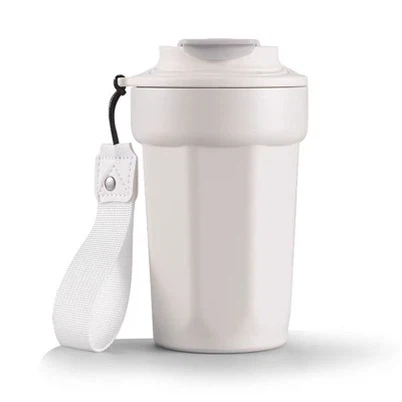
- Bowling Vacuum Thermos Flask: Bowling vacuum thermos flasks have a unique shape, which may require custom packaging. The vacuum layer in these flasks is particularly delicate, so extra care should be taken to protect it from impact.
Inspecting the Thermos Flasks After Transportation
Once the thermos flasks have arrived at their destination, it's important to inspect them carefully for any signs of damage. Check for cracks, leaks, or other defects. If you find any damaged flasks, document the damage and contact the shipping carrier immediately to file a claim.
Conclusion
Transporting thermos flasks without damage requires careful planning and attention to detail. By choosing the right packaging, securing the flasks properly, considering temperature factors, and selecting the appropriate shipping method, you can minimize the risk of damage during transportation.
If you're interested in purchasing thermos flasks for your business or personal use, I'd love to have a conversation with you. Whether you need a small quantity or a large bulk order, I can provide high - quality thermos flasks that meet your requirements. Feel free to reach out to discuss your specific needs and start a procurement negotiation.


References
- Packaging Industry Association. Best Practices for Packaging Fragile Items.
- Shipping Carrier Guidelines. Handling and Transporting Delicate Goods.