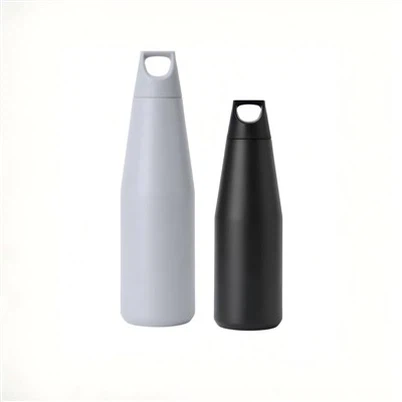
How to prevent food from sticking in a food flask?
Leave a message

Hey there! As a food flask supplier, I've heard countless complaints about food sticking inside flasks. It's a real pain, isn't it? Not only does it make cleaning a nightmare, but it can also affect the taste of your next meal. But don't worry, I've got some tried - and - true tips to help you prevent food from sticking in your food flask.
1. Choose the Right Flask
First things first, the type of flask you use matters a lot. We offer a variety of high - quality flasks, like the Vacuum Insulated Stainless Steel Food Flask. Stainless steel is a great material for food flasks. It's non - reactive, which means it won't interact with your food and cause any strange tastes or odors. Also, it has a smooth surface, making it less likely for food to stick.
Another option is the Stainless Steel Donut Thermal Food Flask. Its unique donut shape is not only cool but also provides a more even distribution of heat and a better surface for keeping food from sticking. And if you're into a more aesthetically pleasing design, the Stainless Steel Vacuum Sakura Food Flask is a great choice. The smooth interior of these flasks is a key factor in preventing food adhesion.
2. Prepare Your Flask Before Use
Before you start filling your flask with food, it's important to prep it properly. Wash your new flask thoroughly with warm, soapy water. Rinse it well and let it dry completely. You can even give it a quick rinse with hot water right before filling it. This helps to create a kind of "barrier" between the flask and the food, reducing the chances of sticking.


3. Use the Right Filling Techniques
When you're putting food into your flask, there are a few things to keep in mind.
Don't Overfill
Overfilling your flask can lead to food being squished against the sides, increasing the likelihood of sticking. Leave some space at the top, about an inch or so, depending on the size of your flask. This gives the food some room to move and reduces the pressure on the walls of the flask.
Layer Your Food Smartly
If you're packing multiple items in your flask, layer them carefully. For example, if you're putting in a stew with vegetables, meat, and broth, start with the broth at the bottom. Then add the vegetables and meat on top. This way, the broth can act as a lubricant between the food and the flask walls.
4. Keep the Food Moving
Once you've filled your flask, give it a gentle shake or two. This helps to distribute the food evenly inside the flask and prevents it from clumping together against the sides. You can do this right after filling and also during your journey if you're taking the flask with you.
5. Clean Your Flask Properly
Regular and proper cleaning is crucial to prevent food from sticking in the long run.
Clean Immediately After Use
The longer you leave food in your flask, the more likely it is to stick. As soon as you're done eating, empty the flask and rinse it with hot water. This helps to get rid of most of the food particles before they have a chance to dry and stick.
Use the Right Cleaning Tools
A soft - bristled brush is great for cleaning the inside of your flask. It can reach all the nooks and crannies without scratching the surface. You can also use a mixture of warm water and mild dish soap. Avoid using abrasive cleaners as they can damage the flask's interior and make it more prone to food sticking.
Deep Clean Regularly
Even with regular rinsing, some stubborn stains and odors may build up over time. For a deep clean, you can make a solution of equal parts water and white vinegar. Fill the flask with this solution and let it sit for a few hours or overnight. Then rinse it thoroughly with water. The vinegar helps to break down any stuck - on food and neutralize odors.
6. Store Your Flask Correctly
How you store your flask also affects its performance. After cleaning, make sure the flask is completely dry before storing it. Leaving it wet can lead to mold growth and can make food stick more easily in the future. You can store the flask with the lid off to allow air to circulate.
Conclusion
Preventing food from sticking in your food flask is a combination of choosing the right flask, proper preparation, filling techniques, and regular cleaning. By following these tips, you can enjoy your meals without the hassle of dealing with stuck - on food.
If you're in the market for a new food flask or looking to upgrade your current one, we've got a great selection of high - quality flasks that are designed to make your life easier. Whether you need a flask for work, school, or outdoor activities, we've got you covered.
If you're interested in purchasing our food flasks in bulk or have any questions about our products, feel free to reach out to us for a procurement discussion. We're always happy to help you find the perfect flask for your needs.
References
- General knowledge from years of experience as a food flask supplier.
- Consumer feedback on food flask usage and issues.