How to choose a water bottle that fits in a backpack?
Leave a message

When it comes to choosing a water bottle that fits in a backpack, there are several factors to consider. As a water bottle supplier, I've seen firsthand the importance of selecting the right bottle for your needs. In this blog post, I'll share some tips on how to choose a water bottle that not only fits in your backpack but also meets your specific requirements.
Capacity
One of the first things to consider is the capacity of the water bottle. The size you choose will depend on your activity level, how long you'll be away from a water source, and the size of your backpack. For short trips or daily use, a smaller bottle with a capacity of 500 - 750 ml might be sufficient. These bottles are lightweight and easy to carry, making them ideal for commuting, running errands, or short hikes.
However, if you're going on a long - distance hike, a multi - day camping trip, or engaging in intense physical activities, you'll need a larger capacity bottle. Bottles with capacities of 1 - 2 liters or more can ensure you have enough water to stay hydrated throughout your journey. Keep in mind that larger bottles will take up more space in your backpack, so you need to balance the need for water with the available space.
Shape and Dimensions
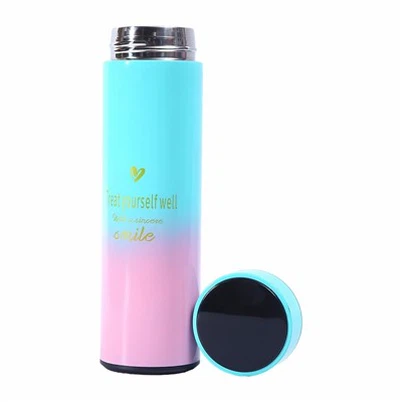
The shape of the water bottle is crucial for it to fit properly in your backpack. Most backpacks have dedicated water bottle pockets, and these pockets often have specific dimensions. Look for a bottle with a cylindrical shape, as it is more likely to fit snugly into these pockets.
A narrow - mouthed bottle is generally a better choice as it can easily slide into the side pockets of a backpack. For example, our Stainless Steel Narrow Mouth Wine Bottle is designed with a narrow mouth, which not only makes it easy to fit in a backpack but also helps prevent spills. The smooth, cylindrical body of this bottle allows it to be inserted and removed from the backpack pocket without any hassle.
On the other hand, if you prefer a bottle with a handle, make sure the handle doesn't protrude too much and interfere with the bottle's ability to fit in the backpack. Our Outdoor Water Bottle with Handle is designed in such a way that the handle is integrated into the bottle's shape, ensuring that it can still fit comfortably in a backpack pocket.
Material
The material of the water bottle is another important consideration. Different materials have different properties, and you need to choose one that suits your needs.
- Stainless Steel: Stainless steel bottles are durable, resistant to corrosion, and can keep your water cold or hot for an extended period. They are also a great option for those who are concerned about the environment, as they can be reused multiple times. Our stainless steel bottles, like the Stainless Steel Narrow Mouth Wine Bottle, are made from high - quality stainless steel that is food - grade and safe for drinking.
- Plastic: Plastic bottles are lightweight and inexpensive. They are a popular choice for casual use and short - term activities. However, some plastics may contain harmful chemicals such as BPA, so it's important to choose a BPA - free plastic bottle. Our Cola Sport Water Bottle is made from BPA - free plastic, ensuring that your water remains safe to drink.
- Glass: Glass bottles are a good option if you want to avoid any potential chemical leaching. They are also easy to clean and have a neutral taste, which means they won't affect the flavor of your water. However, glass bottles are more fragile than stainless steel or plastic bottles, so you need to handle them with care.
Closure Type
The closure type of the water bottle can also impact its usability and how well it fits in your backpack. There are several types of closures to choose from:
- Screw - on Cap: This is the most common type of closure. It provides a tight seal, preventing leaks. Screw - on caps are easy to open and close, and they are suitable for most types of water bottles.
- Flip - top Cap: Flip - top caps are convenient for quick access to your water. They are often used in sports bottles and are great for activities where you need to take sips of water on the go.
- Straw Cap: Straw caps are ideal for those who prefer to drink through a straw. They are especially useful for children or people with limited hand mobility.
Additional Features
Some water bottles come with additional features that can enhance your experience. For example, some bottles have built - in filters, which can remove impurities from the water, making it safe to drink from natural sources. Others have insulation, which can keep your water cold or hot for hours.
If you're an outdoor enthusiast, you might want to consider a bottle with a carabiner clip. This allows you to attach the bottle to your backpack or other gear, making it easily accessible.
Compatibility with Your Backpack
Finally, it's important to test the water bottle with your backpack before making a purchase. Try inserting the bottle into the dedicated water bottle pocket to see if it fits. Make sure there is enough room for the bottle to be inserted and removed without causing any damage to the backpack or the bottle.
If you're not sure which water bottle will fit best in your backpack, you can always consult the backpack manufacturer's specifications or visit a store and try out different bottles with your backpack.
In conclusion, choosing a water bottle that fits in a backpack requires careful consideration of factors such as capacity, shape, material, closure type, and additional features. By taking these factors into account, you can find a water bottle that not only fits in your backpack but also meets your specific needs.


If you're interested in purchasing high - quality water bottles for your personal use or for your business, we'd love to have a discussion with you. Our team of experts can help you choose the right water bottles based on your requirements. Contact us to start the procurement negotiation process and find the perfect water bottles for you.
References
- "The Ultimate Guide to Choosing a Water Bottle", Outdoor Gear Lab
- "Materials Used in Water Bottles", Consumer Reports