How long can water be stored in a water bottle?
Leave a message

Hey there! As a water bottle supplier, I often get asked how long water can be stored in a water bottle. It's a great question, and the answer isn't as straightforward as you might think. Let's dive into the factors that affect water storage time and what you can do to keep your water fresh and safe.
Factors Affecting Water Storage Duration
1. Type of Water Bottle
The material of your water bottle plays a huge role in how long water can be stored. I'll tell you about a few common types.
-
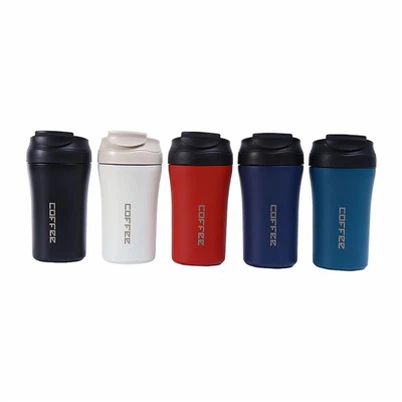
Stainless Steel Bottles: These are awesome for long - term water storage. Stainless steel is non - porous, which means it doesn't absorb odors or flavors. It also doesn't leach any harmful chemicals into the water. A Stainless Steel Outdoor Sports Bottle can keep water fresh for a long time. Since it's resistant to corrosion, there's less risk of contamination from the bottle itself. Generally, water can be stored in a stainless steel bottle for weeks or even months if the bottle is properly sealed and kept in a cool place.
-
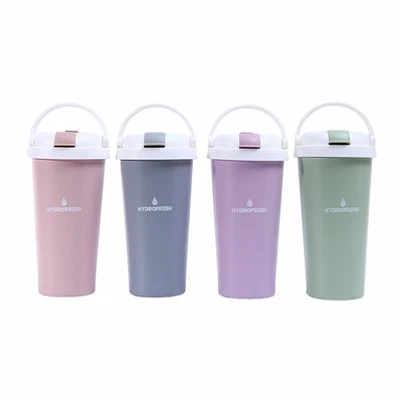
Plastic Bottles: Regular plastic bottles are more porous compared to stainless steel. They can absorb flavors and odors from the environment. Also, some plastics may leach chemicals into the water over time, especially when exposed to heat. A single - use plastic water bottle is not ideal for long - term storage. If you're using a reusable plastic bottle, make sure it's made from food - grade plastic. Even then, water in a plastic bottle should be consumed within a few days to a week to ensure its quality. Check out our Stainless Steel Sports Water Bottle as a better alternative to plastic.
-
Glass Bottles: Glass is another great option for water storage. It's inert, so it won't react with the water or leach any chemicals. However, glass is breakable, which can be a drawback. Water in a glass bottle can stay fresh for a long time, similar to stainless steel, as long as the bottle is sealed properly.
2. Storage Conditions
Where you keep your water bottle matters a lot.
-
Temperature: Heat can speed up the growth of bacteria and other microorganisms in water. If you leave your water bottle in a hot car or in direct sunlight for an extended period, the water can go bad quickly. Ideally, store your water bottle in a cool, shaded place. A cool room temperature (around 68 - 72°F or 20 - 22°C) is perfect for long - term water storage.
-
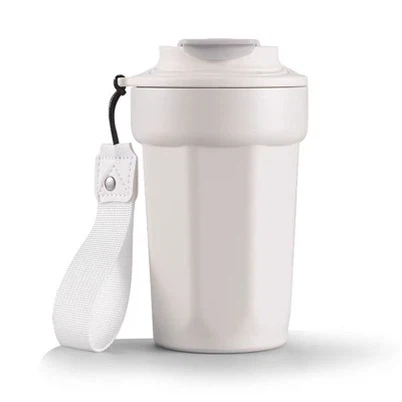
Exposure to Air: Every time you open your water bottle, you introduce air, which can contain dust, bacteria, and other contaminants. Try to keep your bottle sealed as much as possible. If you're using a bottle with a wide opening, like an Outdoor Water Bottle with Handle, be extra careful when opening and closing it to minimize air exposure.
-
Cleanliness: A dirty water bottle can contaminate the water inside. Make sure to clean your water bottle regularly. Use warm, soapy water and a bottle brush to scrub the inside of the bottle. Rinse it thoroughly to remove all the soap. If you don't clean your bottle properly, bacteria can build up and make the water unsafe to drink.
Signs That Water Has Gone Bad
-
Smell: If your water starts to smell bad, like a musty or foul odor, it's a clear sign that something is wrong. This could be due to the growth of bacteria or the absorption of odors from the environment.
-
Taste: Off - tasting water is another indication that it's no longer fresh. If the water tastes flat, metallic, or has an unpleasant flavor, it's best not to drink it.
-
Appearance: Cloudy or murky water is a red flag. It could mean that there are particles or microorganisms in the water. Also, if you see any mold or algae growing inside the bottle, definitely don't drink the water.
Tips for Long - Term Water Storage in a Water Bottle
-
Use a High - Quality Bottle: Invest in a good - quality water bottle made from a suitable material like stainless steel. Our Stainless Steel Outdoor Sports Bottle is a great choice for long - term water storage.
-
Keep It Clean: As I mentioned earlier, regular cleaning is essential. Make it a habit to clean your water bottle at least once a week, even if you're using it every day.
-
Rotate Your Water: If you're storing water for an extended period, it's a good idea to rotate it. Empty the bottle and refill it with fresh water every few weeks to ensure its quality.
-
Seal It Properly: Always make sure your water bottle is tightly sealed. This will prevent air and contaminants from getting in.
Conclusion
So, how long can water be stored in a water bottle? It depends on the type of bottle, storage conditions, and how well you take care of the bottle. With a stainless steel bottle, proper storage, and regular cleaning, you can store water for weeks or even months. But if you're using a plastic bottle or storing the water in less - than - ideal conditions, it's best to consume the water within a few days.
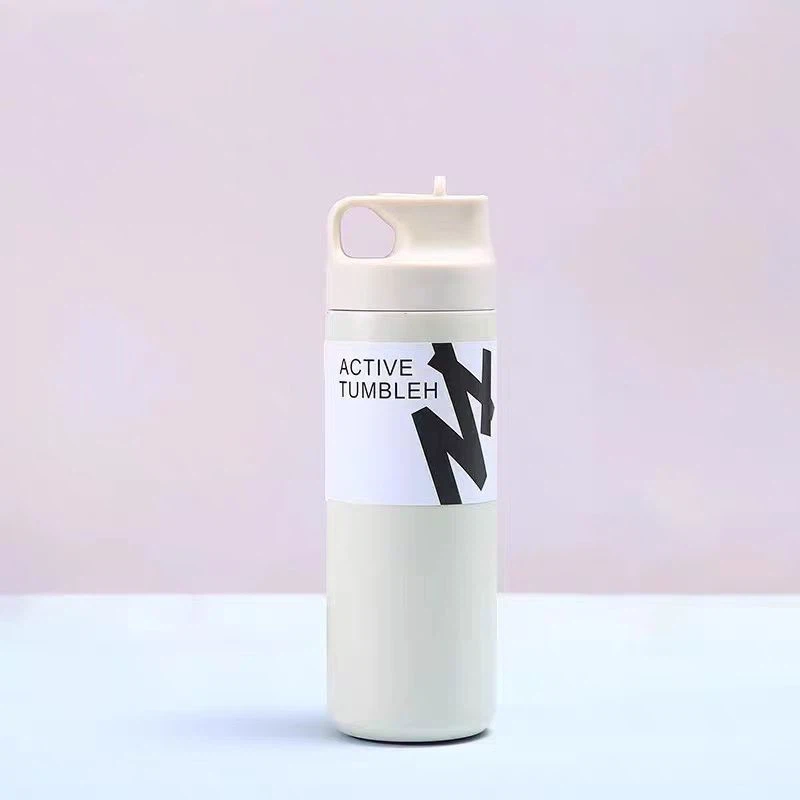

If you're in the market for a high - quality water bottle for long - term water storage or just for everyday use, we've got you covered. We offer a wide range of water bottles, including Stainless Steel Outdoor Sports Bottle, Stainless Steel Sports Water Bottle, and Outdoor Water Bottle with Handle. If you're interested in purchasing our products in bulk or have any questions, feel free to reach out to us for a procurement discussion. We're here to help you find the perfect water bottle for your needs.
References
- Centers for Disease Control and Prevention (CDC). "Drinking Water Basics."
- World Health Organization (WHO). "Guidelines for Drinking - Water Quality."