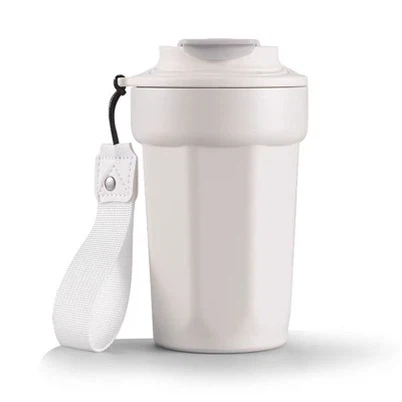
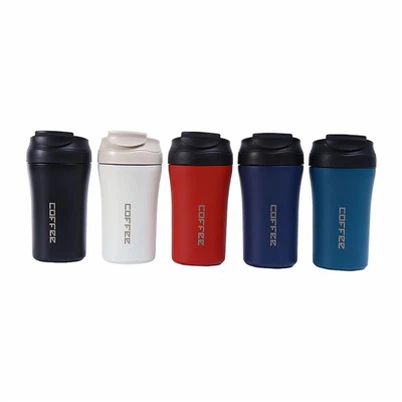
How do I check the quality of a tumbler?
Leave a message

Hey there! As a tumbler supplier, I've seen my fair share of tumblers, from the basic ones to the high - end, fancy models. One question I get a lot is, "How do I check the quality of a tumbler?" Well, I'm here to break it down for you.
Material Matters
First off, let's talk about the materials. The most common materials for tumblers are stainless steel, plastic, and glass. Each has its own pros and cons.
Stainless steel tumblers are super popular. They're durable, rust - resistant, and can keep your drinks hot or cold for a long time. When you're checking a stainless - steel tumbler, give it a good look. It should have a smooth finish without any scratches or dents. You can also tap on it. A high - quality stainless - steel tumbler will produce a clear, ringing sound. This indicates that the metal is thick and well - made. For example, our 20 Oz Stainless Steel Skinny Straight Tumbler is crafted from top - notch stainless steel, ensuring long - lasting use.
Plastic tumblers are lightweight and usually more affordable. But not all plastics are created equal. Look for tumblers made from BPA - free plastic. BPA can be harmful to your health, so it's a big no - no. You can check the label to see if it's BPA - free. Also, the plastic should feel sturdy, not flimsy. If it bends easily or has a strange smell, it might not be a good quality tumbler.
Glass tumblers are great for those who want to see their drinks. They're also easy to clean and don't absorb flavors. However, they're more fragile than stainless steel or plastic. When checking a glass tumbler, look for any cracks or chips. Hold it up to the light to see if there are any imperfections in the glass.
Insulation Test
One of the main reasons people buy tumblers is for their insulation properties. Whether you're sipping on a hot coffee in the morning or a cold iced tea in the afternoon, you want your drink to stay at the right temperature for as long as possible.
To test the insulation of a tumbler, fill it with hot water and leave it for a few hours. Then, touch the outside of the tumbler. If it's very hot, the insulation isn't good. A well - insulated tumbler should keep the outside relatively cool. You can also do the same test with cold water. Fill the tumbler with ice water and see if the outside gets too wet or cold. A good insulation will prevent condensation from forming on the outside. Our 20oz Car Tumbler is known for its excellent insulation, keeping your drinks at the perfect temperature during your car rides.
Lid and Seal Check
The lid and seal of a tumbler are crucial. A good lid should fit snugly on the tumbler and prevent any leaks. When you're checking the lid, make sure it's easy to open and close. It shouldn't be too loose or too tight.
Check the seal around the lid. It should be made of a soft, rubbery material that creates a tight seal. You can test the seal by filling the tumbler with water, putting the lid on, and then turning it upside down. If water leaks out, the seal isn't good. Our 20oz Insulated Mug With Handle comes with a well - designed lid and seal, ensuring no spills.
Design and Comfort
The design of a tumbler isn't just about looks; it also affects how comfortable it is to use. Look for a tumbler with a comfortable grip. If it's too slippery or too bulky, it won't be pleasant to hold.
The shape of the tumbler also matters. For example, a tumbler with a narrow top might be better for sipping, while a wider top could be easier to fill. Consider where you'll be using the tumbler. If you're taking it on the go, a tumbler with a handle or a clip might be more convenient.
Brand and Reviews
Another way to check the quality of a tumbler is to look at the brand and read reviews. A well - known brand usually has a reputation to uphold, so they're more likely to produce high - quality products. You can also check online reviews from other customers. Look for reviews that mention the durability, insulation, and overall performance of the tumbler.
Price and Value
Price isn't always an indicator of quality, but in general, you get what you pay for. A very cheap tumbler might not have the same quality as a more expensive one. However, that doesn't mean you have to break the bank to get a good tumbler. Look for a tumbler that offers a good balance between price and value. Consider the features you need and how often you'll use the tumbler.
In conclusion, checking the quality of a tumbler involves looking at the material, insulation, lid and seal, design, brand, and price. By taking the time to evaluate these factors, you can find a tumbler that meets your needs and lasts for a long time.
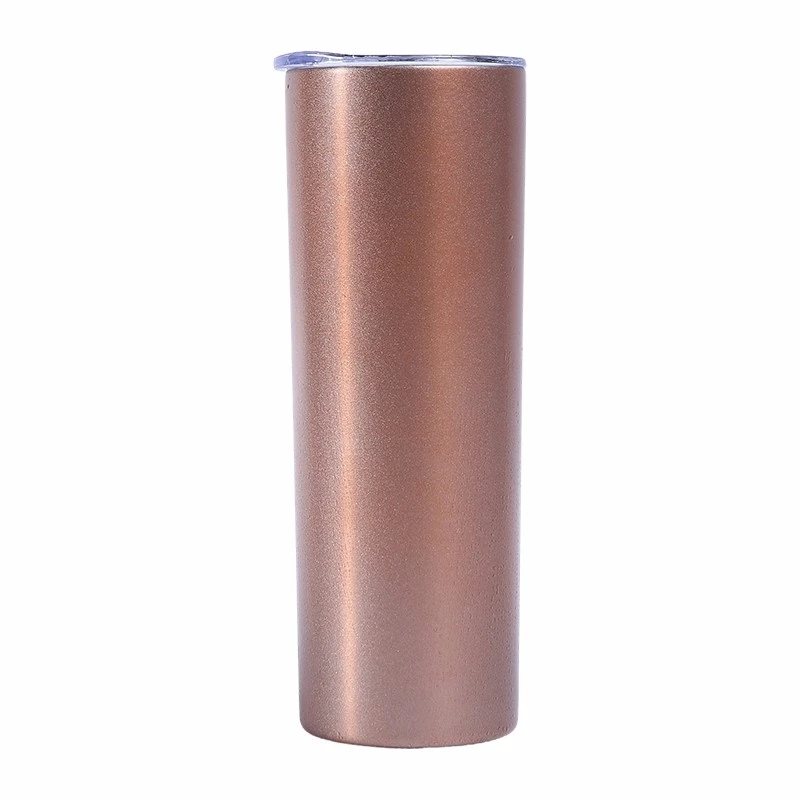
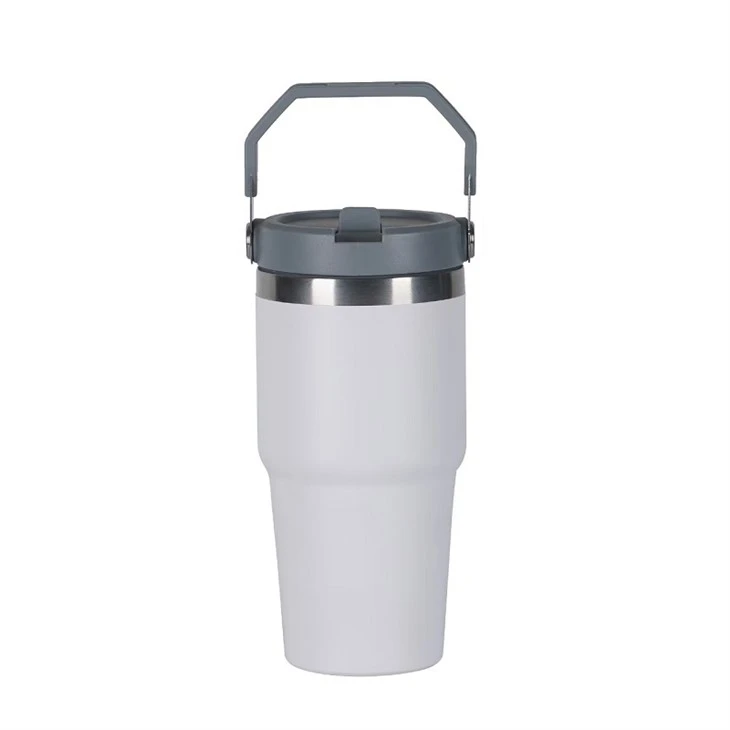
If you're in the market for high - quality tumblers for your business or personal use, I'd love to talk to you. We have a wide range of tumblers to choose from, and we're committed to providing the best products and service. Feel free to reach out for more information and to start a procurement discussion.
References
- General knowledge from years of experience in the tumbler supply industry.
- Customer feedback and reviews on tumbler products.