Do vacuum flasks work better in cold or hot environments?
Leave a message

As a supplier of vacuum flasks, I've encountered numerous inquiries regarding the performance of these remarkable containers in different environments. A common question that surfaces is: Do vacuum flasks work better in cold or hot environments? In this blog post, I'll delve into the science behind vacuum flasks, explore their performance in varying temperatures, and provide insights to help you make an informed decision.
The Science of Vacuum Flasks
Before we discuss the performance of vacuum flasks in different environments, it's essential to understand how they work. A vacuum flask, also known as a thermos, is designed to minimize heat transfer through conduction, convection, and radiation. It consists of two flasks, one placed inside the other, with a vacuum between them. This vacuum acts as an insulator, preventing heat from escaping or entering the inner flask.
The inner flask is typically made of glass or stainless steel, both of which are poor conductors of heat. The outer flask provides additional protection and insulation. The lid of the vacuum flask is also designed to minimize heat transfer, often featuring a tight seal and insulating materials.
Performance in Hot Environments
In hot environments, the primary goal of a vacuum flask is to keep the contents cool. The vacuum insulation plays a crucial role in achieving this. By preventing heat from entering the inner flask, the vacuum flask can maintain the temperature of the contents for an extended period.

However, the performance of a vacuum flask in hot environments can be affected by several factors. One of the most significant factors is the initial temperature of the contents. If the contents are already warm, the vacuum flask will have to work harder to keep them cool. Additionally, the ambient temperature and humidity can also impact the performance of the vacuum flask. In high-temperature and high-humidity environments, the vacuum flask may lose its insulating properties more quickly.
Another factor to consider is the quality of the vacuum flask. A high-quality vacuum flask with a well-sealed lid and a good vacuum insulation will perform better in hot environments than a lower-quality one. When choosing a vacuum flask for use in hot environments, it's important to look for one that is specifically designed for this purpose.
Performance in Cold Environments
In cold environments, the primary goal of a vacuum flask is to keep the contents hot. Similar to its performance in hot environments, the vacuum insulation in a vacuum flask plays a crucial role in achieving this. By preventing heat from escaping the inner flask, the vacuum flask can maintain the temperature of the contents for an extended period.
The performance of a vacuum flask in cold environments can also be affected by several factors. One of the most significant factors is the initial temperature of the contents. If the contents are already cold, the vacuum flask will have to work harder to keep them hot. Additionally, the ambient temperature and wind can also impact the performance of the vacuum flask. In extremely cold and windy environments, the vacuum flask may lose its insulating properties more quickly.
As with hot environments, the quality of the vacuum flask is also an important factor to consider. A high-quality vacuum flask with a well-sealed lid and a good vacuum insulation will perform better in cold environments than a lower-quality one. When choosing a vacuum flask for use in cold environments, it's important to look for one that is specifically designed for this purpose.
Comparing Performance in Cold and Hot Environments
So, do vacuum flasks work better in cold or hot environments? The answer is that it depends on several factors, including the initial temperature of the contents, the ambient temperature and humidity, and the quality of the vacuum flask.
In general, vacuum flasks tend to perform better in cold environments than in hot environments. This is because it is easier to prevent heat from escaping a container than it is to prevent heat from entering it. However, this doesn't mean that vacuum flasks are not effective in hot environments. With the right design and quality, a vacuum flask can keep the contents cool for an extended period in hot environments.
Choosing the Right Vacuum Flask
When choosing a vacuum flask, it's important to consider your specific needs and the environment in which you will be using it. If you plan to use the vacuum flask primarily in hot environments, look for one that is specifically designed for this purpose. These vacuum flasks often have additional insulation and features to help keep the contents cool.
If you plan to use the vacuum flask primarily in cold environments, look for one that is designed to keep the contents hot. These vacuum flasks often have thicker insulation and a more robust design to withstand the cold.
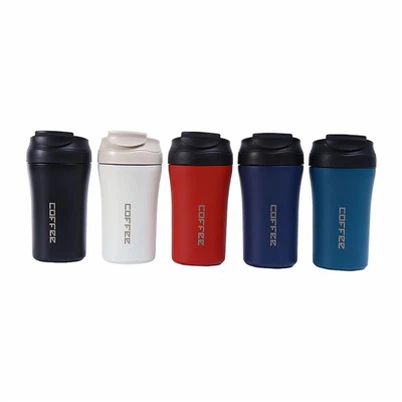
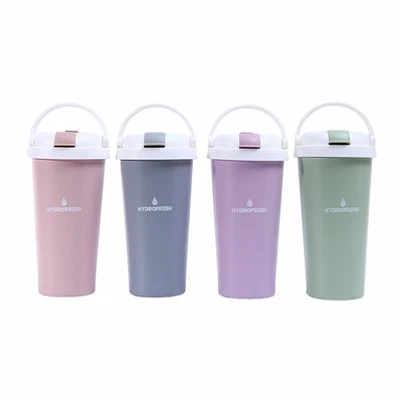
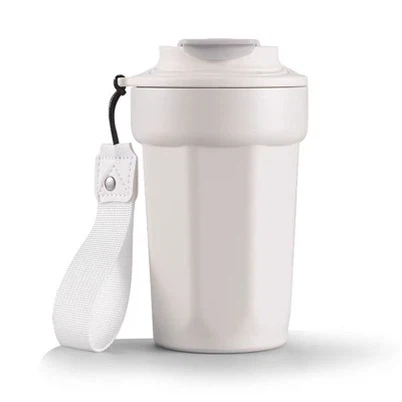
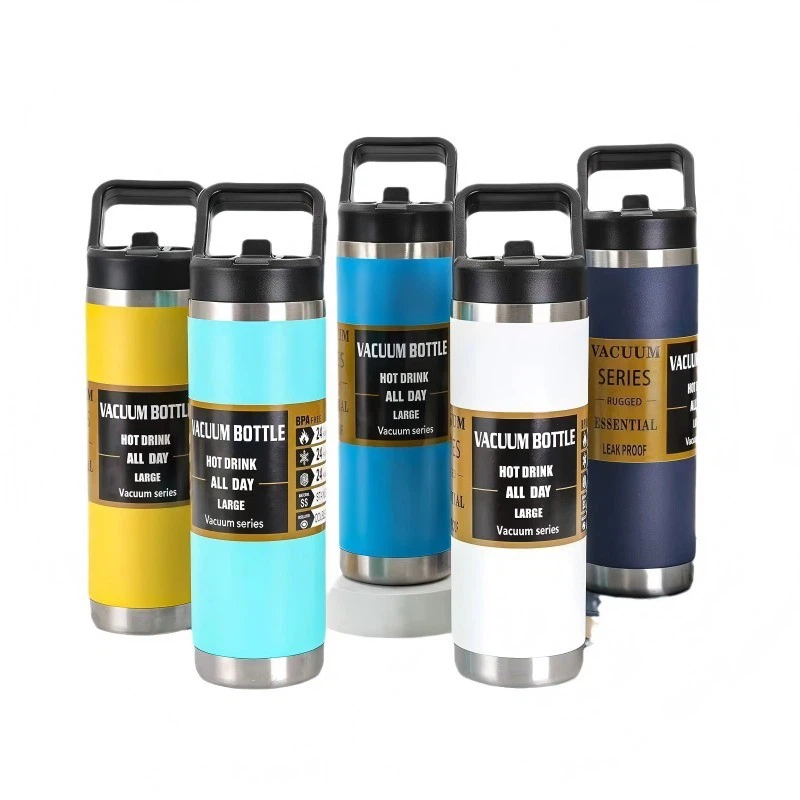
One of our popular products is the Portable Vacuum Flask with Handle. This vacuum flask is designed for both hot and cold environments, with a high-quality vacuum insulation and a well-sealed lid. It also features a convenient handle for easy carrying, making it perfect for on-the-go use.
Conclusion
In conclusion, vacuum flasks are effective in both cold and hot environments, but their performance can be affected by several factors. By understanding the science behind vacuum flasks and considering your specific needs, you can choose the right vacuum flask for your needs.
If you're interested in purchasing a vacuum flask or have any questions about our products, please don't hesitate to contact us. We're here to help you find the perfect vacuum flask for your needs.
References
- "Thermos Flask: How It Works and Its Applications." Science ABC, 2023.
- "The Physics of Insulation." Engineering ToolBox, 2023.
- "Choosing the Right Vacuum Flask." Consumer Reports, 2023.