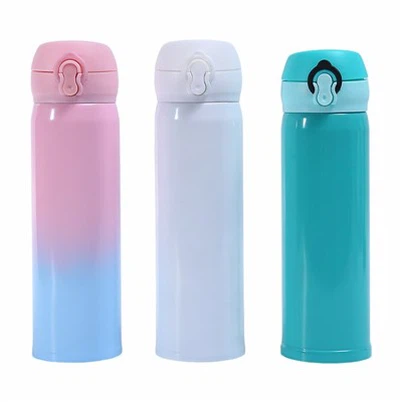
Can I put food in a food flask right out of the fridge?
Leave a message

Can I put food right out of the fridge into a food flask? This is a question I get asked a lot as a food flask supplier. And it's a valid one, considering how convenient it would be to just grab leftovers from the fridge and pop them into a flask for later. So, let's dig into this topic and find out what's the deal.
How Food Flasks Work
First off, let's understand how food flasks work. Most of the food flasks we offer, like the Vacuum Insulated Stainless Steel Food Flask, are designed with a vacuum layer between two walls of stainless steel. This vacuum acts as an insulator, reducing heat transfer by conduction and convection. In simple terms, it keeps hot food hot and cold food cold for a long time.
The Science of Temperature and Food Safety
When you put cold food from the fridge into a food flask, the flask's insulation tries to maintain that low temperature. But there are a few things to keep in mind. Bacteria love warm, moist environments, and food is a great breeding ground for them. The "danger zone" for food safety is between 40°F (4°C) and 140°F (60°C). If food stays in this temperature range for too long, bacteria can multiply rapidly, increasing the risk of foodborne illness.
Putting Cold Food in a Flask
If you put cold food straight from the fridge into a food flask, the initial temperature of the food is low, which is good. However, the flask itself might be at room temperature. So, when you pour in the cold food, the flask will start to warm up the food a bit. The rate at which this happens depends on the quality of the flask's insulation.
Our Stainless Steel Vacuum Sakura Food Flask has excellent insulation properties. It can keep cold food cold for several hours. But if you're planning to store food for a long time, say more than 4 - 6 hours, it's a good idea to pre - chill the flask. You can do this by filling it with cold water for a few minutes, then emptying it before adding the cold food.
Potential Risks
There's always a risk when it comes to food safety. If the food warms up to the danger zone and stays there for too long, you're at risk of getting sick. For example, dairy products, cooked meats, and egg - based dishes are particularly prone to bacterial growth. So, if you're putting these types of foods in a flask, you need to be extra careful.
Tips for Using a Food Flask with Cold Food
- Pre - chill the flask: As mentioned earlier, pre - chilling the flask can help maintain the cold temperature of the food for longer.
- Use ice packs: You can add a small ice pack to the flask along with the food. Just make sure it's wrapped in a cloth or paper towel to prevent direct contact with the food.
- Keep it cool: Try to keep the flask in a cool place, like a cooler bag or a shaded area. Avoid leaving it in direct sunlight or in a hot car.
Our Product Range
We offer a variety of food flasks to suit different needs. The Stainless Steel Donut Thermal Food Flask is not only stylish but also has great insulation. It's perfect for taking to work, school, or on outdoor adventures.
Conclusion
So, can you put food right out of the fridge into a food flask? The answer is yes, but with some precautions. If you follow the tips mentioned above, you can safely enjoy your cold food later. And if you're in the market for a high - quality food flask, we've got you covered.


If you're interested in purchasing our food flasks in bulk for your business or organization, we'd love to talk to you. Reach out to us to discuss your requirements and get a great deal on our top - notch food flasks.
References
- "Food Safety and Temperature Control." U.S. Food and Drug Administration.
- "Insulation and Heat Transfer." Physics textbooks.