Are stainless - steel food flasks better than plastic ones?
Leave a message

In the world of food storage and transportation, food flasks have become an essential item for many people, whether they are students, office workers, or outdoor enthusiasts. When it comes to choosing a food flask, one of the most common dilemmas is whether to go for a stainless - steel one or a plastic one. As a food flask supplier, I've had the opportunity to closely observe the market trends and customer preferences, and I'd like to share my insights on this topic.
Material Composition and Safety
Let's start with the material composition. Stainless - steel food flasks are typically made of high - quality stainless steel, usually 304 or 316 grade. These grades are known for their corrosion resistance and durability. They do not contain harmful chemicals such as BPA (bisphenol A), phthalates, or lead. BPA is a chemical that has been linked to various health issues, including hormonal imbalances, especially in children and pregnant women. Since stainless - steel flasks are free from these substances, they are a safe choice for storing food and beverages, especially hot ones.
On the other hand, plastic food flasks are made from various types of plastics, such as polypropylene (PP), polyethylene (PE), or polycarbonate. While many plastic flasks on the market today are labeled as BPA - free, there is still a concern about the potential leaching of other harmful chemicals, especially when the plastic is exposed to high temperatures. For example, some plastics may release chemicals when they come into contact with hot food or drinks, which can pose a risk to human health.
Insulation Performance
Insulation is a crucial factor when it comes to food flasks. Stainless - steel food flasks, especially those with vacuum insulation technology, offer excellent insulation performance. The vacuum layer between the inner and outer walls of the flask minimizes heat transfer through conduction and convection, keeping food and drinks hot or cold for extended periods. For instance, a high - quality Vacuum Insulated Stainless Steel Food Flask can keep hot food warm for up to 6 - 8 hours and cold beverages chilled for even longer.
Plastic food flasks, in general, have poorer insulation capabilities compared to stainless - steel ones. The plastic material itself is not as effective at blocking heat transfer as stainless steel. As a result, food and drinks in plastic flasks may cool down or warm up more quickly, which can be a significant drawback, especially for those who need to keep their food at a specific temperature for a long time.
Durability and Longevity
Stainless - steel food flasks are highly durable. They can withstand rough handling, drops, and impacts without cracking or breaking easily. The stainless - steel material is also resistant to scratches and dents, which means that the flask will maintain its appearance and functionality over a long period. This durability makes stainless - steel flasks a cost - effective choice in the long run, as you won't have to replace them as often.
Plastic food flasks, however, are more prone to damage. They can crack or break if dropped from a certain height or subjected to excessive force. Additionally, plastic can become brittle over time, especially when exposed to sunlight or extreme temperatures. This can lead to leaks or a shorter lifespan for the flask.
Design and Aesthetics
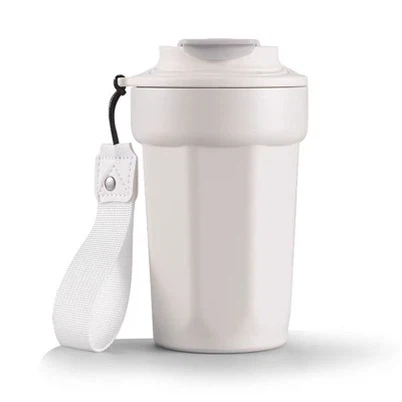
Stainless - steel food flasks come in a wide range of designs and styles. They can be sleek and modern, or they can have unique and eye - catching shapes. For example, our Stainless Steel Donut Thermal Food Flask has a distinctive donut - shaped design that not only looks interesting but also provides a comfortable grip. The stainless - steel surface can also be polished to a high shine or have a matte finish, giving it an elegant and professional look.
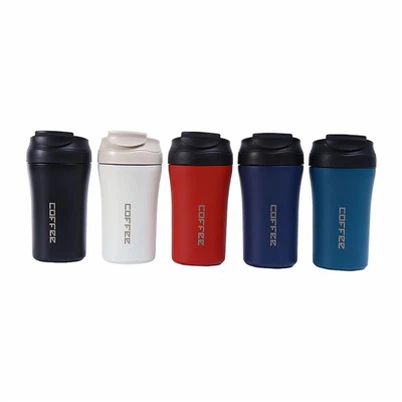
Plastic food flasks also offer a variety of designs, but they may not have the same level of sophistication as stainless - steel ones. Plastic can sometimes look cheap or flimsy, especially when compared to the high - quality appearance of stainless steel. However, plastic flasks can be more colorful and may be available in a wider range of bright and fun colors, which can be appealing to some consumers, especially children and young adults.
Weight and Portability
When it comes to weight, plastic food flasks are generally lighter than stainless - steel ones. This can be an advantage for those who need to carry their flasks around all day, such as students or hikers. A lighter flask means less weight to carry, which can reduce fatigue.
However, the difference in weight may not be significant enough to outweigh the other benefits of stainless - steel flasks. Additionally, many modern stainless - steel food flasks are designed to be lightweight without sacrificing insulation or durability. So, while plastic flasks may have a slight edge in terms of weight, it may not be a decisive factor for most consumers.
Cleaning and Maintenance
Cleaning a stainless - steel food flask is relatively easy. The smooth stainless - steel surface does not absorb odors or stains easily, and it can be cleaned with mild soap and water. Most stainless - steel flasks are also dishwasher - safe, which makes the cleaning process even more convenient.
Plastic food flasks can be more difficult to clean. The plastic material can absorb odors and stains, especially if food or drinks are left in the flask for a long time. Some plastics may also be more prone to scratches, which can make it easier for dirt and bacteria to accumulate. Additionally, not all plastic flasks are dishwasher - safe, which means that you may have to clean them by hand.
Environmental Impact
From an environmental perspective, stainless - steel food flasks are a more sustainable choice. Stainless steel is a recyclable material, which means that at the end of its life cycle, the flask can be recycled and used to make new products. This reduces the amount of waste going to landfills.


Plastic food flasks, on the other hand, are often made from non - biodegradable plastics. While some plastics can be recycled, the recycling process for plastics is more complex and less efficient than that for stainless steel. Additionally, the production of plastic flasks requires the use of fossil fuels, which contributes to environmental pollution.
Conclusion
In conclusion, while plastic food flasks may have some advantages, such as being lighter and more colorful, stainless - steel food flasks generally offer better performance in terms of safety, insulation, durability, and environmental friendliness. As a food flask supplier, I highly recommend stainless - steel food flasks to our customers. We offer a wide range of high - quality stainless - steel food flasks, including the Stainless Steel Donut Thermal Food Flask and the Stainless Steel Vacuum Sakura Food Flask, which are designed to meet the diverse needs of our customers.
If you are interested in purchasing our food flasks or have any questions about our products, please feel free to contact us for procurement and negotiation. We are committed to providing you with the best products and services.
References
- "Food Container Safety: What You Need to Know." U.S. Food and Drug Administration.
- "The Benefits of Stainless Steel in Food and Beverage Applications." Stainless Steel World Americas.
- "Plastic Pollution: A Global Crisis." National Geographic.