What are the possible actions in the water jug problem?
Leave a message

In the realm of water storage and transportation, the water jug problem isn't just a theoretical conundrum from a math class; it's a real - world challenge that many face, whether in daily life, outdoor adventures, or industrial settings. As a water jug supplier, I've witnessed firsthand the diverse needs and possible actions related to this problem.
Understanding the Water Jug Problem
The water jug problem, in its simplest form, involves having two or more jugs of different capacities and trying to measure a specific amount of water using these jugs. In a practical sense, it translates to how we can efficiently manage water storage, transfer, and usage with the jugs we have at our disposal.
For instance, consider a camping trip. You have a large 5 - gallon jug and a small 1 - gallon jug. You need to fill a 3 - gallon container. How do you go about it? This is where the possible actions come into play.
Possible Actions in the Water Jug Problem
Filling
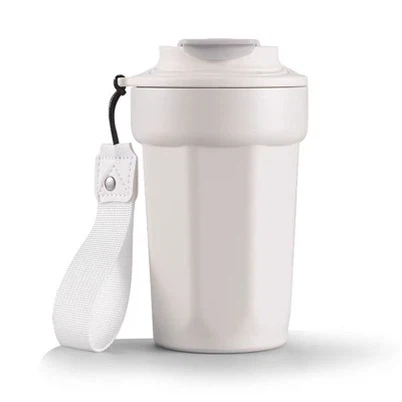
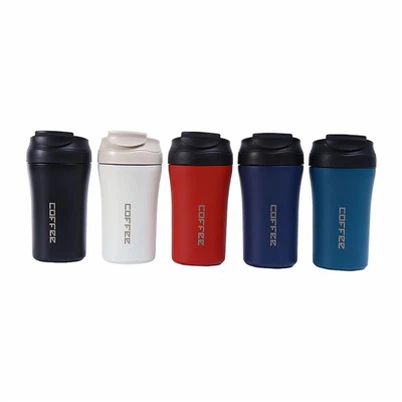
The most straightforward action is filling a jug. You can fill a jug to its maximum capacity from a water source. For example, if you have a Outdoor Stainless Steel Ice Jug with a capacity of 2 liters, you can fill it up at a water tap or a natural water source like a stream. This action is crucial as it provides the initial supply of water for further operations.
When filling a jug, it's important to ensure that the water source is clean and safe. In outdoor settings, you may need to use water purification methods such as boiling or using water purification tablets before filling your jug.


Emptying
Emptying a jug is another key action. Sometimes, you may need to discard the water in a jug to make room for a new quantity or to correct an over - filling situation. For example, if you accidentally over - filled a jug and need to get to a specific volume, you can carefully pour out the excess water. In industrial applications, emptying a jug may be part of a regular cleaning or maintenance process.
Transferring
Transferring water from one jug to another is a more complex but often necessary action. Suppose you have a large jug and a small jug, and you want to measure a specific amount. You can transfer water from the large jug to the small jug until the small jug is full or until you reach the desired amount in the large jug.
Let's say you have a 10 - liter jug and a 3 - liter jug, and you want to get 4 liters in the 10 - liter jug. You can fill the 3 - liter jug multiple times and transfer the water to the 10 - liter jug, keeping track of the amount transferred.
Measuring
Measuring the amount of water in a jug is essential for solving the water jug problem. Some jugs come with built - in measurement markings, which make it easier to determine the volume of water. However, if your jug doesn't have markings, you may need to use other methods. For example, you can compare the water level in the jug to a known reference point or use a separate measuring device.
In industrial settings, precise measurement is often required for processes such as chemical mixing or water treatment. In these cases, more accurate measuring tools like graduated cylinders or flow meters may be used in conjunction with the water jugs.
Applications in Different Settings
Domestic Use
In a household, water jugs are commonly used for storing drinking water. The possible actions we've discussed are relevant when you want to refill a smaller jug from a larger water dispenser or when you're trying to measure the right amount of water for cooking. For example, if you're making a specific recipe that requires a certain volume of water, you can use your water jugs to measure and transfer the water accurately.
Outdoor Activities
Outdoor enthusiasts rely heavily on water jugs for hydration during activities such as hiking, camping, and fishing. The ability to fill, empty, transfer, and measure water is crucial for survival and comfort. A high - quality Outdoor Stainless Steel Ice Jug can keep water cold for extended periods, which is especially important in hot weather. When you're in the wilderness, you may need to fill your jug from a natural water source, purify it, and then transfer it to smaller containers for easy carrying.
Industrial Applications
In industries such as manufacturing, agriculture, and chemical processing, water jugs are used for various purposes. For example, in a chemical plant, water may be used as a solvent or a cooling agent. The ability to accurately measure and transfer water is essential for maintaining the quality and efficiency of the production process. In agriculture, water jugs can be used for watering plants in small - scale operations, and the actions of filling, emptying, and transferring water are necessary for proper irrigation.
Our Role as a Water Jug Supplier
As a water jug supplier, we understand the importance of providing high - quality products that can withstand different environments and meet the diverse needs of our customers. Our Outdoor Stainless Steel Ice Jug is designed to be durable, leak - proof, and easy to use. It has a well - insulated design that keeps water cold for hours, making it ideal for outdoor activities.
We also offer a variety of jug sizes and shapes to cater to different applications. Whether you need a small jug for personal use or a large jug for industrial purposes, we have the right product for you. Our team of experts can provide advice on the best water jug for your specific needs and help you understand how to perform the possible actions discussed above effectively.
Contact Us for Procurement
If you're interested in purchasing water jugs for your personal, outdoor, or industrial needs, we invite you to contact us for a procurement discussion. We can offer competitive prices, high - quality products, and excellent customer service. Our goal is to help you solve your water jug problem and ensure that you have the right tools for efficient water management.
References
- "The Art of Problem Solving in Mathematics" by Paul Zeitz
- "Water Management in Industrial Processes" by John Smith
- "Outdoor Survival Skills: Water Procurement" by Jane Doe